They say it's better to regret something you have done, than to regret something you haven't. Have you ever made a decision based on this principle? I have to admit that I have and the result turned out to be suprisingly good. On the other hand, however, I have my doubts about having a go at everything I ever think of. It might turn out to change my life forever not in a necessarily favourable way, so I better not take too many of my chances.
If you look up "decision making" in Wikipedia you will get quite a lenghty article and the followind decision making mechanisms. Which of those have you tried, do you have a favourite?
Decision making processes according to Wikipedia:
1. listing the pros and cons
2. simple priotization, deciding which aspect is your priority and making the decision on its basis
3. Elimination by aspect: you choose a single aspect of the decision and make it according to this and this only
4. prayer
5. visionary dream
6. tarot and astrology
7. consult an expert, authority figure who knows better than you.
and more...
I suppose everyone had to use at least 2 of this processes in making everyday decision. Have you tried tarot and astrology? How did it work out for you...I haven't because I don't really believe in them, however, I decided to pass my future to a coin flip. Why did I do it? A podcast convinced me. As a matter of fact, I liked it so much I wanted to share it with you. Check it out and tell me if you are willing to do the same.
The guys that do the podcast have also written this book...and some others too, and made a movie...they pretty much ROCK!
Here are some questions for you to consider while listening:
Who is Daniel Herrington. What used to be his
job? What is his job now?
Was Daniel happy about his previos job? Did he
set the world on fire?
What was the ultimate trigger for Daniel to
change his job (what was the final reason)
Does Daniel describe himself as a decisive
person? How does he usually make decisions for trivial matters?
Does Daniel expect to stay at his current job for
a long time?
Levit and Dubner made a podcast episode called “The Upside of Quitting”. What turned
out to be the consequence of that podcast?
Are both of the hosts equally enthusiastic about the
forecoming experiment?
What does the freakonomics experiment involve?
How do they lead the decision makers through their
decision making process?
Who is encouraged to take part in the experiment?
The Freakonomics experiment flips the coin for you.
How do they check whether they have made the right decision? Do the decision
makers have time to change their minds?
The podcast includes the transcript right after the description. Make sure you read along as you listen. I have a feeling you might learn lots of useful decision making vocabulary there.
Here is a list of words that I found interesting (in the order of appeareance):
Day-to-day basis
Hands-on
Flip a coin
Rock-paper-scissors
To come up with
Stakes are high/low
Spouse
To bring something up
Stun
To prompt
It got me thinking
Framework
Walk someone through
To fill out a survey
Conduct a research
To figure something out
To be on the brink
To entertain a big decision
We’ll take everything
To throw up (hands)
Shred of (common sense)
Common sense
Brazen idea
There’s a better way of putting that
To commit to/to commit
Fret about st
Random/randomize
Hijinks
The die is cast
To be tied up in knots
To elicit = to trigger
Perplex
Virtue
Make a pledge
Swag
Heck
Demented
To occur
To encounter
To go down the moral ladder
Exploitative
Embezzle
Short of
Fair-game
To harm
Status quo bias
To be better-off
To distinguish
Casual effect
Correlation and casualty
To go viral
Wishy-washy
last but not LEAST : the website where YOU can also take part in this experiment:
The
following words and phrases refer to a specific thing in the video. What do you
think this thing is? Why would these words refer to it in this way?
Nickel and
dime
Let bygones
be bygones
Goner
Gross
Ceased to
exist
Demise
Relict
Flu virus
Weary and
inevitable
Which of
these phrases means:
1.To destroy something bit by bit
2.Something has to be lost and
forgotten forever
3.Something is about to die
4.Stopped its life
5.Disgusting
6.Last known example of a species
7.Death
8.Physically and mentally fatigued
9.Impossible to avoid and prevent
Watch the
video and check the context of the phrases.
What has the
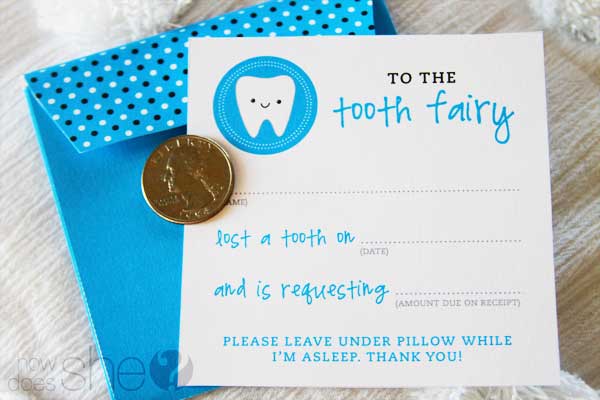
tooth-fairy to do with cash? (and btw, is it ok to believe in the tooth fairy
as an adult, what does it say about you? http://en.wikipedia.org/wiki/Tooth_fairy)
Why is cash
bad according to the author of the book?
Is
producing cash profitable?
Why is cash
gross?
Why is
cashless transaction fun?
Who depends
on cash mostly in today’s society?
Would you
miss cash once it’s gone?
How does
the situation shown in the video differ from the situation in Poland?
One thing is for sure, I would sure as hell use one of these magical taps in my home.
Today is Sathurday. In case you didn't come back very late at night from a party you might have woken up (like me) to a very foggy October morning and wondered whether is it ok to get up from bed or should you just call it a morning and go on sleeping to skip the autumn morning blues. For those of you who decided to wake up, here's an awesome motivational video that makes you recosider your priorities in life. You know it's possible to change everything by Monday, or is it?
The video is followed by transcript, vocabulary definition and so language for you to consider
transcript:
What do you desire? What makes you itch? What sort of a situation would you like?
Let’s suppose, I do this often in vocational guidance of students, they come to me and say, well, we’re getting out of college and we have the faintest idea what we want to do. So I always ask the question, what would you like to do if money were no object? How would you really enjoy spending your life?
Well, it’s so amazing as a result of our kind of educational system, crowds of students say well, we’d like to be painters, we’d like to be poets, we’d like to be writers, but as everybody knows you can’t earn any money that way. Or another person says well, I’d like to live an out-of-doors life and ride horses. I said you want to teach in a riding school? Let’s go through with it. What do you want to do?
When we finally got down to something, which the individual says he really wants to do, I will say to him, you do that and forget the money, because, if you say that getting the money is the most important thing, you will spend your life completely wasting your time. You’ll be doing things you don’t like doing in order to go on living, that is to go on doing things you don’t like doing, which is stupid. Better to have a short life that is full of what you like doing than a long life spent in a miserable way.
And after all, if you do really like what you’re doing, it doesn’t matter what it is, you can eventually turn it – you could eventually become a master of it. It’s the only way to become a master of something, to be really with it. And then you’ll be able to get a good fee for whatever it is. So don’t worry too much. That’s everybody is – somebody is interested in everything, anything you can be interested in, you will find others will. But it’s absolutely stupid to spend your time doing things you don’t like, in order to go on spending things you don’t like, doing things you don’t like and to teach our children to follow in the same track.
See what we are doing, is we’re bringing up children and educating to live the same sort of lifes we are living. In order that they may justify themselves and find satisfaction in life by bringing up their children to bring up their children to do the same thing, so it’s all retch, and no vomit it never gets there. And so, therefore, it’s so important to consider this question,
What do I desire?
(P.S If you loved the music as much as I did, you might want to know that it's Ludovico Einaudi playing his song called "Divenire". Here he is playing the same tune in Royal Albert Hall. I suppose this guy has a pretty nice life, since he gets to write music that tends to end up often in motivational videos )
While you're listening to the song without Allan Watts' words of wisdom let's look into some vocabulary
VOCABULARY:
to ITCH - when something itches you feel the urge to scratch it. It's an unpleasant feeling you get from mosquito bites or healing scabs (strup) on your knee after a fall.
not to have THE FAINTEST IDEA - is the same as not to have the foggiest notion (hello October morning) or simply NOT TO KNOW ANYTHING at all about a problem, in other words to not have a clue
OBJECT - it's such a universal word. It perfectly follows the funny rule of the English language that a single word takes at least 3 pages of definitions in the dictionary. My students usually hate that, but I try to encourage them not to, because it usually means that you've got plenty of opportunities to improvise in English, which is what makes it so wonderful to learn (you didn't buy that, did you)
So the word object is at the same time a noun and a verb, if you put the suffic -ive, you can make it into another noun and an adjective.
The Object can be a thing, a topic or a subject, but in our case it is something you don't agree on. If you don' t like something, you object to it and then there is a chance you don't have to do it anymore.
ex. I don't like paying the taxes, I object to it so I don't do it. Police picks me up after one year. I spend quality time in prison.
If something is not an object, it means it's not a problem for you. If money is not an object means that money is not a problem, you have a lot of them, or you just don't care about money and live free under the bridges of Wroclaw.
OUT of DOORS - it comes from indoor and outdoor. If you enjoy indoor lifestyle, you are possibly a couch potato (sitting on the couch and watching M jak Miłość) or an internet addict (stalking your school mates on facebook). If you enjoy outdoor lifestyle, than you are likely to get divorced because your wife/husband or kids hardly ever see you home and wonder what on earth you are doing, so don't exaggerate.
EVENTUALLY - is one of the long list of your FALSE FRIENDS (or your best/worst frenemie) in Polish it sounds like EWENTUALNIE and is very often used like that, which is WRONG!!! Don't do that or the grammar police will arrest you. If you really want to say something in English which sounds like ewentualnie, try the word "POSSIBLY".
Eventually means "finally" or "in the end". If you live your life on the streets dealing drugs,eventually you will find yourself in prison.
For real.
FEE - is something people CHARGE for their SERVICES. The lawyer will charge you 1000 PLN for an advice, the doctor will CHARGE you around 100 PLN for a private visit, and the fees of the dentists are often more painful that the drilling itself.
TO BRING UP children - this has never been easy, and it's availiable to everyone who has kids, without any training and licences. In the past children were brought up strictly and new their place cause otherwise they recieved a smack on their bottoms. Nowadays, parents often bring up children to do whatever they want and have whatever they want whenever they want which is good for the children but bad for everybody else on this planet.
to JUSTIFY - if you screw something up (czyli, jeżeli dodasz za dużo pieprzu) than you have a long justifying to do in order not to be punished for your sins which you most definitely deserve. If you are good in justifying then you should become a lawyer so you can do all the things from the video.
ALL RETCH and NO VOMIT - this is not a very common expression (hopefully) as it does not evoke nice picture in a dream. To retch is to try to throw up desperately and if no vomit comes out of it, that it can be a problem, especially if you swallowed something gross or drank too much.
Generally, to be less specific, it means that you try very hard to do something and nothing happens. There are no results for your hard work. Sometimes this is how life works, hopefully not for you.
If you managed to read everything, try to think about the valuable lessons from the video or at least remember the vocabulary from it. QUIZLET.com or AANKI may help. You don't know what quizlet and aanki are? Well, let me google that for you and do it again
Have a nice sathurday! The fog will eventually go away and you are free to enjoy all the outdoor activities you can think of.
From this week on we will work on articles from renowned British or American
newspapers, magazines and websites which deal with the current state of events
in the world. I will paste parts of the original content (whilst quoting the
source, of course) and add some additional activities for you to practice new
vocabulary and check whether you’ve actually understand the text. This articles
are dedicated to those of you who are at least as the B2 (upper-intermediate
level) but I will try to include some easier articles for the lower levels
too. We begin this section with an
article from my favourite Comment is Free section of the Guardian, where you
can find letters and articles from readers about current affairs. The topic of
the first article is very important for all of us, since we hear about the
crisis and austerity measures all the time. Many people from around Europe are
not happy with the situations so they decided to show their discontent in
anti-austerity protests. Is the situation similar in Poland or we are still
doing fine…it’s up to you to answer that one for yourselves.
Throughout the 1980s and 90s, when many
developing countries were in crisis and borrowing money from theInternational Monetary Fund, waves of protests in those countries became known as
the "IMF riots". They were so called because they were sparked by the
fund's structural adjustment programmes, which imposed austerity, privatisation and
deregulation.
The IMF complained that calling these riots thus was unfair, as
it had not caused the crises and was
only prescribing a medicine, but this was largely self-serving. Many of the
crises had actually been caused by the asset bubbles built
up following IMF-recommended financial deregulation. Moreover, those rioters
were not just expressing general discontent but reacting against the austerity measures that
directly threatened their livelihoods, such as cuts
in subsidies to basic commodities such
as food and water, and cuts in already meagre welfare payments.
ex. 1 Match the word to the definition (by making this exercise I was also forced to do some thorough HTML table making revision as well :-)
word
Definition
1.Spark
a.because
2.Adjustment
b.a situation in the market when the prices are
much higher than the values of the products sold
3. Austerity
c.Start a fire or explosion. To make something happen, especially involving violence
and angry feelings.
4.Thus
d. dissatisfaction.
5. As
e. A change that makes somebody better, more productive etc.
6. Self-serving
f. An economic policy by which a government reduces the amount of money it spends by large amount
7.Discontent
g. As a result of the fact you have just mentioned
8. Livelihood
h. The money government pays to reduce the price of a product
Witam w kolejnej odsłonie naszego
coraz bardziej ukochanego czasu. Dzisiaj sobota, temperatura powietrza nie
zachęcą do liczenia liści w parku więc postanowiłam po raz kolejny przedstawić
mój dowód miłości dla Present Perfect. Dzisiaj będzie znowu czas na opowiastki
z życia wziętych, ponieważ będę opowiadać o romansie jaki Present Perfect
posiada z sympatycznymi koleżankami ze szkoły: FOR i SINCE.
FOR i SINCE mogłyby wprawdzie być
bliźniaczki, lecz stwierdziłam, ze dla dobra sprawy i dla lepszego zrozumienia
tematu nie będą rodziną tylko będą chodzić do tej samej klasy. Siedzą onę razem
na ławcę i razem wykonują zadania domowę. Ubierają się tak samo, mają te same
fryzury i często pożyczają od siebie błyszczyki więc łatwo je ze sobą pomylić. Po
szkole, umawiają się na randki z Present Perfect. Troche przykro, że dwie tak
dobre przyjaciółki muszą się dzielić chłopakiem, ale chłopak przystojny,
inteligentny i taki praktyczny w życiu, więc muszą sobie jakoś z tym poradzić.
(koleżanka SINCE w najlepszym wydaniu)
A teraz uwaga, odkryję wam
tajemnicę. Możliwę, że uważny czytelnik mojego bloga kilkakrotnie (błagam,
niech tylko kilkakrotnie) złapał się za głowę urażony moimy błędami
stylistyczno-gramatyczno-składniowych. Dzisiaj otwarcie się do tych wszystkich
błedów przyznam, i wykorzystam te błędy na moją korzyść, używając je do
kontekstu użycia present perfect-u z FOR i SINCE. Mianowicie, nie dano mi było
skończyć szkołe w Polsce. W Polsce owszem studiowałam, ale anglistykę, więc
również mało tego było po polsku. Powiem więc wprost, będąc pół-polką i
spędzając prawie 18 lat życia w innym kraju (za chwilę powiem jaki), z moim
polskim nie jest perfekcyjnie.Lecz staram się jak mogę, chodziłam nawet na
lekcje i często zaglądam do gramatyki, słownika ortograficznego i dużo czytam.
I have lived in Poland
for 13 years (goosh…it’s that long already)
I have worked as an
English teacher for more than 10 years.
I have lived in my new
flat for 6 months (and I still don’t have a wardrobe)
Mogę te same zdania powiedzieć
używając słowa SINCE, coś się jednak zmieni, chociaż powiem to samo – uwaga:
I have lived in Poland
since 1999.
I have worked as an
English Teacher since 2002.
I have lived in my new
flat since March.
REGUŁY GRY:
1.W pierwszych trzech zdaniach użyłam słowa FOR
przed słowami dotyczących czasu (13 years, 10 years, 6 months)
2.W drugich trzech zdań zamiast FOR użyłam SINCE,
lecz zmieniłam też odnośniki czasu (1999, 2002, March)
3.FOR używamy, kiedy chemy powiedzieć jaki długi
OKRES minął od początku robienia czegoś w przeszłości aż do DZISIAJ.Czyli: Mieszkam w polsce przez 13 lat,
pracuję jako nauczyciel przez więcej niż 10 lat, mieszkam w swoim nowym
mieszkaniu przez 6 miesięcy. (uwaga, celowo używam słowa przez, a nie od, za
chwile zobaczycie dlaczego)
4.SINCE używamy, kiedy chcemy powiedzieć OD KIEDY,
a konkretniej, OD KTÓREGO ROKU, MIESIĄCA albo nawet SEKUNDY robimy coś nadal. Tak
jak napisałam na górze: Mieszkam w Polsce OD 1999, pracuję od 2002 a w moim
mieszkaniu się rządzę od marca.
5.Żeby tworzyć zdania w którym Present Perfect występuję
razem z FOR albo SINCE, rzecz o którym mówimy w zdaniu musi być AKTUALNA
DZISIAJ. Innymi słowy, ja wciąż mieszkam w Polsce (chociaż czasami chcę
wyemigrować gdzie indziej), Wciąż mieszkam w moim mieszkaniu i owszem…cały czas
jestem nauczycielem j. angielskiego.
6.Jeżeli mówimy o rzeczach już nieaktualnych,
użyjemy do tego PAST SIMPLE i również for, już bez since, zamiast since możemy
użyć wyrazenia AGO, tak jak poniżej.
A teraz co nie co o moim już nieaktualnej przeszłości:
I lived in
Yugoslavia until 1991. I lived in Yugoslavia around 20 years ago.
In 1991
Yugoslavia fell apart and I ended up living in Macedonia. Yugoslavia fell apart
21 years ago.
I lived in
Macedonia for about 15 years (including the time I lived in Yugoslavia). I
lived in Macedonia 20 years ago.
I went to
high school in Macedonia for 4 years. I went to high school 12 years ago.
I went to
raves many years ago. I listened to electronic music many years ago. As a
matter of fact I still listen to electronic music now, so I can also say I have
listened to electronic music for around 15 years. I can’t dance to it as well as I did then
unfortunately. Or maybe I can, haven’t tried for a really long time. I don’t go
to raves now. There are no raves in Wroclaw. If you hear about any, please let
me know.
(this is how a proper raver should dance, I of course danced the same way :-)
(this is how I dance right now)
How about
you? Where do you live? How long have you lived there? How long have you
studied or worked where you do now? How long has it been since the last time
you have gone to a rave, or a concert, or a nice party…
Na końcu zawsze musi być piosenka, niestety nie znalazłam wystarczająco fajnej prezentującej aspekty for i since ale znalazłam tą: W tejże balladzie Guns'n'Roses, Axl opowiada o tym jak mu w życiu nie wychodzi SINCE go opuściła dziewczyna. Opowiada o tym co się ogólnie dzieję w jego życiu, używa więc do tego present simple. Równie dobrze mógłby napisać tą piosenkę w Present Perfect, ale nie lubił gramatyki w szkole. Może ty spróbujesz? tu masz tekst, z tłumaczeniem.
w którym, dowiadujemy się, że Mr. Present Perfect wie o nas wszystko :-)
W zeszłym tygodniu, albo 2 posty temu, zaczęłam pisać na temat czasu, którego wiele osób nie lubi, a większość powinna przynajmiej kochać. W ostatnim poście na ten temat, przedstawiłam wam magiczną formułkę na tworzenie zdań w języku angielskim w każdym czasie, ale głównie skupiłam się oczywiście na Mr. Present Perfect. Dzisiaj, przechodzimy do sedna, bo oczywiście, Mr. Present Perfect nie istnieję tylko po to żeby istnieć - pojawia się on w pewnych konkretnych chwilach w naszym życiu, przede wszystkim wtedy, kiedy chcemy opowiedzieć komuś o naszym doświadczeniu i o tym, czego to my w życiu nie robiliśmy. Mr. Present Perfect jest takim niemym świadkiem naszego życia, który wszystko notuje i pamięta, ale niekoniecznie skupia się na szczegółach. Jeżeli chodzi o szczegóły, to pomaga mu w tym, bardziej popularny wśród uczących się angielskiego brat, Past Simple.
Present Perfect Simple wie o wszystkim co w życiu przeszłam, dlatego muszę go użyć kiedy opowiadam o swoich doświadczeniach, niekoniecznie takich, z których jestem dumna. Na przykład:
- I have seen Twilight 20 times. - Widziałam "Zmierzch" 20 razy (może nawet więcej)
- I have never seen Citizen Kane. - Nigdy nie widziałam filmu " Obywatel Kane"...a ponoć to jest najlepszy film na świecie. Mam zaległości z filmów z tego dziesięciolecia. Obiecuję zobaczyć.
(Citizen Kane, it's terrific, they say...but how should I know?!?!)
Present Perfect Simple wie wszystko na temat moich podróży:
- I have been in England only once (it rains too much) - Tylko raz byłam w Anglii (za dużo pada)
- I have never been in Spain (and I regret it) - Nigdy nie byłam w Hiszpanii (i żałuję tego)
REGUŁY GRY:
1. Present Perfect Simple używamy do opowiadania/przechwalania się/popisywania się/użalania się nad tym co zrobiliśmy albo (chlip!) jeszcze nie było nam dane zrobić
2. Present Perfect Simple praktyczny jest przede wszystkim kiedy chcemy zrobić wrażenie i opowiedzieć, że coś zrobiliśmy WIELOKROTNIE, bądż zerokrotnie :-).
3. Kiedy w końcu ktoś się naszą opowieścią zafascynuje. zapyta o szczegóły, wtedy użyjemy PAST SIMPLE.
Przykład z mojego życia wzięty:
Ania: Guess what! I have been in India.
Friend: Oh wow! That's amazing! I wish I could go to India too.
Ania: It was really great. I travelled all around the country and saw many temples, mosques and the Arabian Sea.
Friend: Lucky you! Did you see The Taj Mahal?
Ania: No I didn't :-(
Friend: That's a shame. Did you ride an elephant?
Ania: No I didn't :-( , but I saw many elephants, I even touched one.
Friend: oh...(*disappointed**rozszczarowany*) Did you see a snake charmer (zobacz na obrazku)?
Ania: No I didn't...does this picture count?
Friend: Sorry Ania, but you really didn't see anything in India...maybe you are lying that you went there?
Pochwaliłam się przyjacielowi, że byłam w Indiach. Niestety przyjaciel stwierdził, że na pewno kłamię ponieważ nie jeżdziłam na słoniu i nie zobaczyłam Taj Mahal (tego pięknego białego budynku, co każdemu się kojarzy z Indiami) i nie tańczyłam razem z wężem do muzyki granej przez fakira.
Fakira szukałam wzdłuż i wszerz ale kurcze....nigdzie nie mogłam znaleść :-(
Opowiedziałam o fakcie podróżowania do Indii używając Present Perfect (have + 3 forma czasownika) ale na szczegółowe pytania mojego przyjaciela musiałam użyć Past Simple, bo odpowiadałam na konkretne przypadki z okresu kiedy byłam w Indiach. Czas Past Simple jest niezbędny wtedy, kiedy opowiadamy o tym - KIEDY się coś wydarzyło oraz kiedy wdajemy się w szczegóły na temat KONKRETNEGO MOMENTU z PRZESZŁOŚCI.
YOUR TURN!
What about you? Where have you been? Have you beein in India, Spain, England or Suwałki?
Have you seen the best movie in the world? Have you seen the Great Wall? Have you eaten a grasshopper? Have you climbed Mt. Everest? Have you swum across the La Manche (sorry,...The English Channel)?
( Bjork and Thom Yorke (from Radiohead) have surely seen it all...można posłuchać i poczytać tu )